How to Identify Premium Quality Swordfish for Import
shashintha
May 5, 2026
Blogs
How to Identify Premium Quality Swordfish for Import
Sourcing high-quality swordfish is essential for maintaining your product standards and customer satisfaction. Here’s how to identify premium-grade swordfish when importing especially when working with a trusted suppliers like First Global Seafood Ltd.
1. Appearance & Color
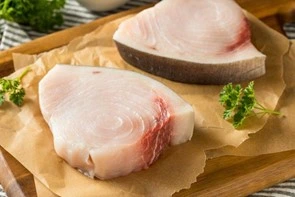
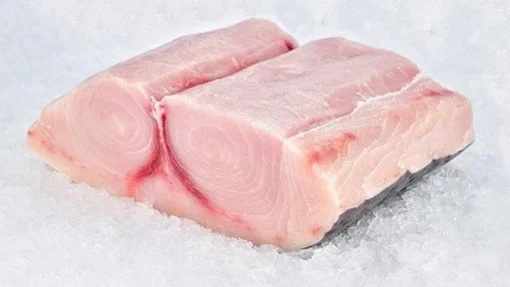
Flesh should be firm with a clean, slightly pinkish-white color
Avoid fish with brown spots, discoloration, or dull appearance
A glossy, moist surface indicates freshness
2. Texture & Firmness
Premium swordfish should feel firm and dense
Flesh should spring back when pressed
Soft or mushy texture is a sign of poor quality or improper handling
3. Smell (Freshness Indicator)
Should have a mild, ocean-fresh smell
Avoid any strong fishy or sour odors, which indicate spoilage
4. Processing & Handling Standards
Ensure the supplier follows strict hygienic processing practices
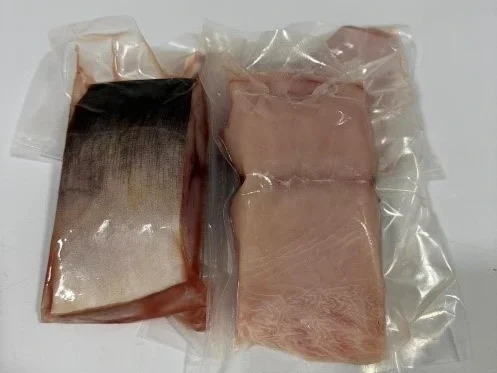
Fish should be properly cleaned, trimmed, and packed
Vacuum packaging or well-sealed packs are preferred
5. Frozen vs Fresh Quality
Frozen swordfish should be:
Individually quick frozen (IQF)
Free from excessive ice crystals or freezer burn
Fresh swordfish should be stored at 0–4°C and shipped quickly